
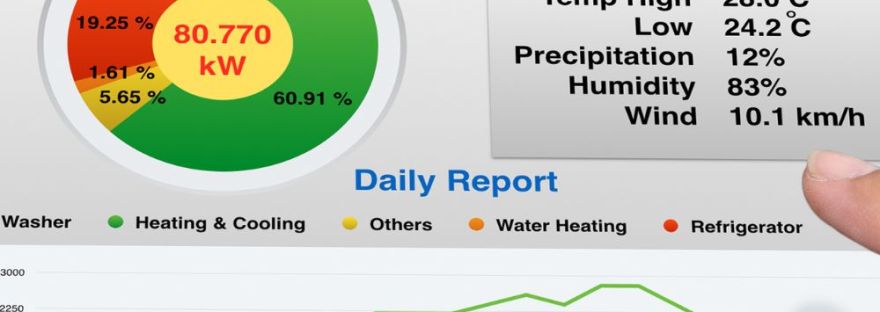
In today’s world, managing household expenses is more important than ever. Among the significant costs that can burden households are utility bills, which cover essential services like electricity, water, heating, and cooling.
While these expenses are unavoidable, there are numerous strategies households can employ to lower their utility bills and save money in the long run. In this comprehensive guide, we’ll explore ten effective strategies to help you master utility bill management and reduce your monthly expenses.
Conduct a Home Energy Audit:
Before implementing any changes, it’s essential to understand where your energy is being used. Conducting a home energy audit can help identify areas of inefficiency and pinpoint opportunities for improvement.
Consider hiring a professional auditor or use online resources to perform a DIY audit to assess your home’s energy usage comprehensively.
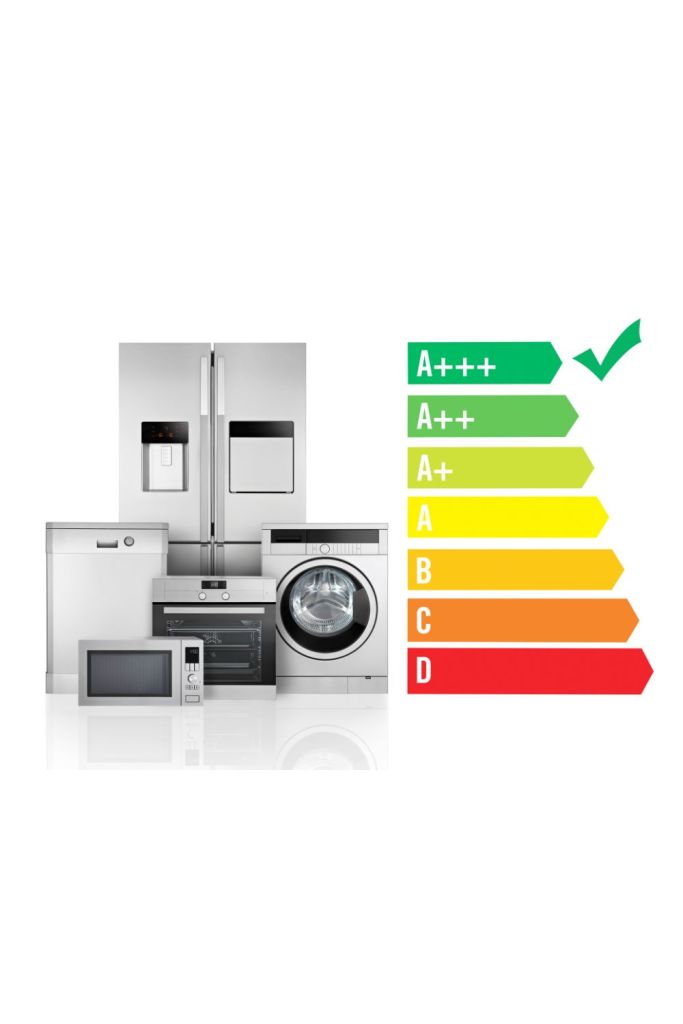
Invest in Energy-Efficient Appliances:
Upgrading to energy-efficient appliances can significantly reduce your energy consumption and lower your utility bills over time. Look for appliances with ENERGY STAR ratings, which are designed to operate more efficiently and consume less energy.
While the initial investment may be higher, the long-term savings and environmental benefits make it a worthwhile investment.
Seal Air Leaks and Insulate:
Air leaks and inadequate insulation can lead to significant energy loss, particularly in older homes. Seal gaps around windows, doors, and electrical outlets to prevent hot or cold air from escaping.
Additionally, consider adding insulation to your attic, walls, and floors to improve energy efficiency and reduce heating and cooling costs.
Upgrade to LED Lighting:
Traditional incandescent bulbs consume more energy and have a shorter lifespan compared to LED lighting. By replacing incandescent bulbs with energy-efficient LED bulbs, you can lower your electricity usage and save money on your utility bills.
LED bulbs also produce less heat, reducing the strain on your cooling system during hot summer months.

Adjust Thermostat Settings:
Optimizing your thermostat settings can have a significant impact on your heating and cooling costs. During the winter, lower your thermostat by a few degrees and wear extra layers to stay warm. In the summer, raise the thermostat and use fans to circulate air instead of relying solely on air conditioning.
Consider investing in a programmable or smart thermostat to automate temperature adjustments based on your schedule.
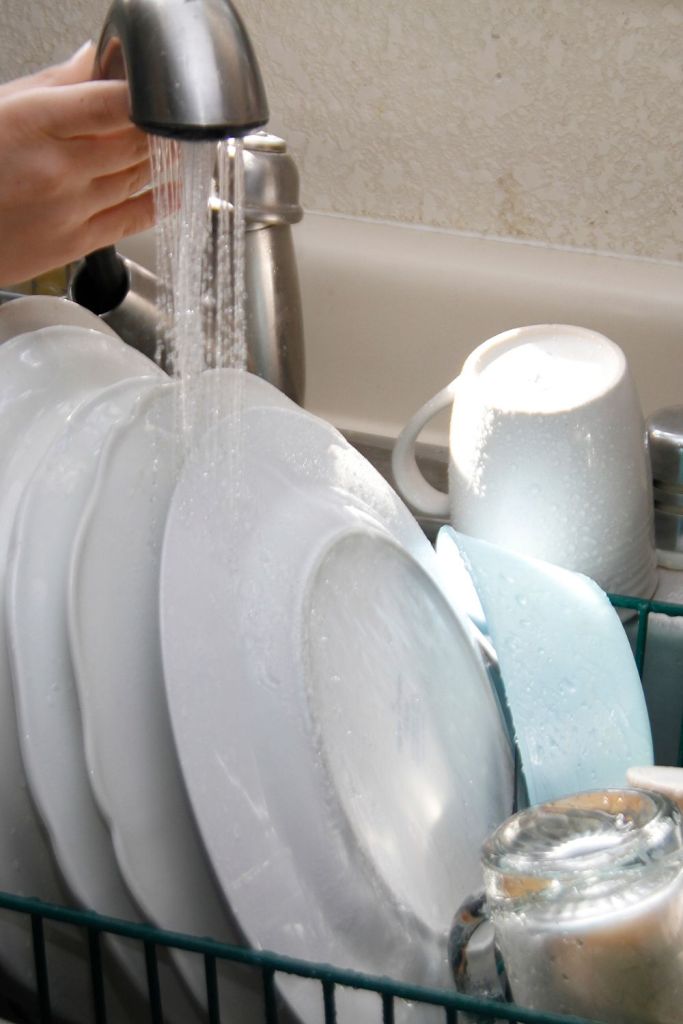
Practice Water Conservation:
Water usage contributes to a significant portion of utility bills, especially in households with large families. Simple changes like fixing leaky faucets, taking shorter showers, and using water-efficient appliances can lead to substantial water savings.
Additionally, consider installing low-flow showerheads and faucets to further reduce water consumption without sacrificing performance.
Unplug Electronics When Not in Use:
Many electronics and appliances continue to consume energy even when turned off but plugged in—a phenomenon known as “phantom energy” or “vampire power.” To combat this, unplug devices like chargers, televisions, and computers when not in use, or use power strips to easily disconnect multiple devices at once.
By eliminating phantom energy, you can lower your electricity usage and save money on your utility bills.
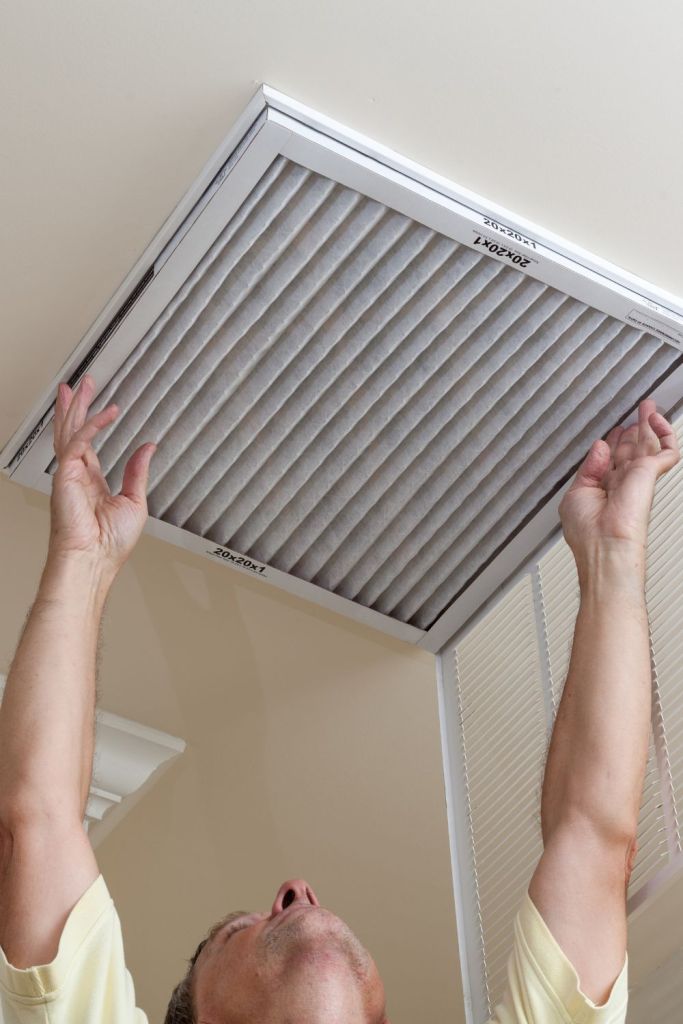
Schedule Regular HVAC Maintenance:
Proper maintenance of your heating, ventilation, and air conditioning (HVAC) system is essential for optimal performance and energy efficiency. Schedule annual maintenance checks with a qualified technician to inspect and tune up your HVAC system.
Regular maintenance can help identify and address issues before they become costly repairs and ensure that your system operates efficiently year-round.
Utilize Renewable Energy Sources:
Exploring renewable energy options like solar panels or wind turbines can further reduce your reliance on traditional utility services and lower your monthly expenses. While the upfront costs of installing renewable energy systems can be substantial, many government incentives and rebates are available to offset the initial investment.
Over time, you can generate your electricity and potentially sell excess energy back to the grid, further reducing your utility bills.
Monitor and Track Your Usage:
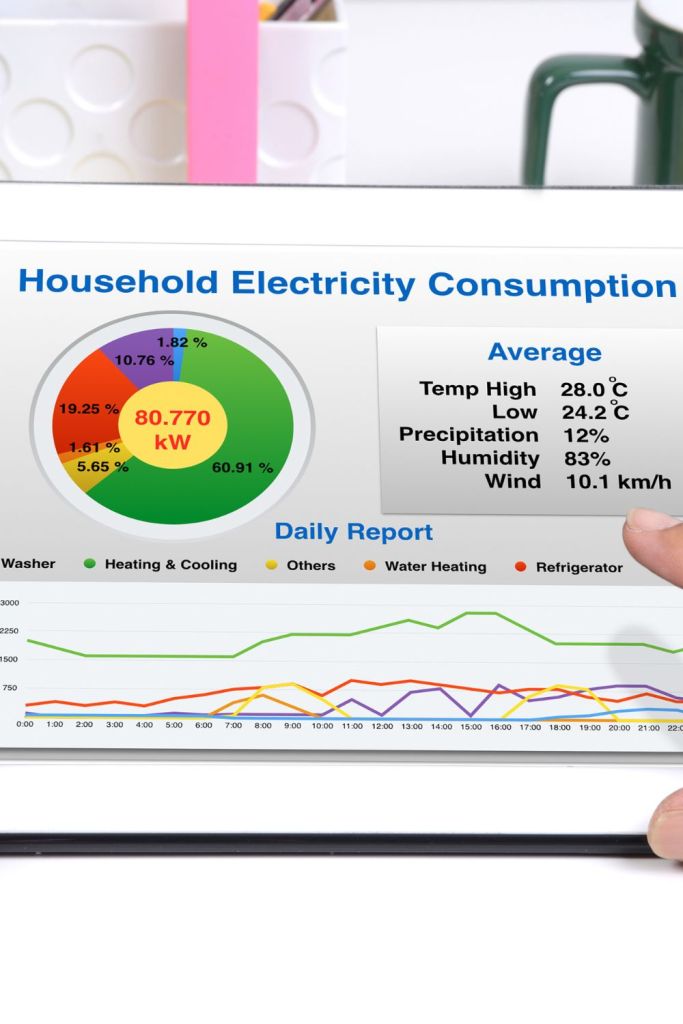
Finally, maintaining awareness of your energy and water usage is key to successfully lowering your utility bills. Consider investing in energy monitoring devices or using online tools provided by your utility company to track your usage and identify patterns or trends.
By understanding when and how you consume energy, you can make informed decisions and implement targeted strategies to maximize savings.
Lowering your utility bills requires a combination of awareness, effort, and investment. By implementing the ten strategies outlined in this guide—conducting a home energy audit, investing in energy-efficient appliances, sealing air leaks and insulating, upgrading to LED lighting, adjusting thermostat settings, practicing water conservation, unplugging electronics when not in use, scheduling regular HVAC maintenance, utilizing renewable energy sources, and monitoring your usage—you can significantly reduce your monthly expenses while contributing to a more sustainable future.
Start implementing these strategies today and take control of your utility bills for a brighter tomorrow.

 My Budget Family